

This page provides various information about lead belts and safety considerations
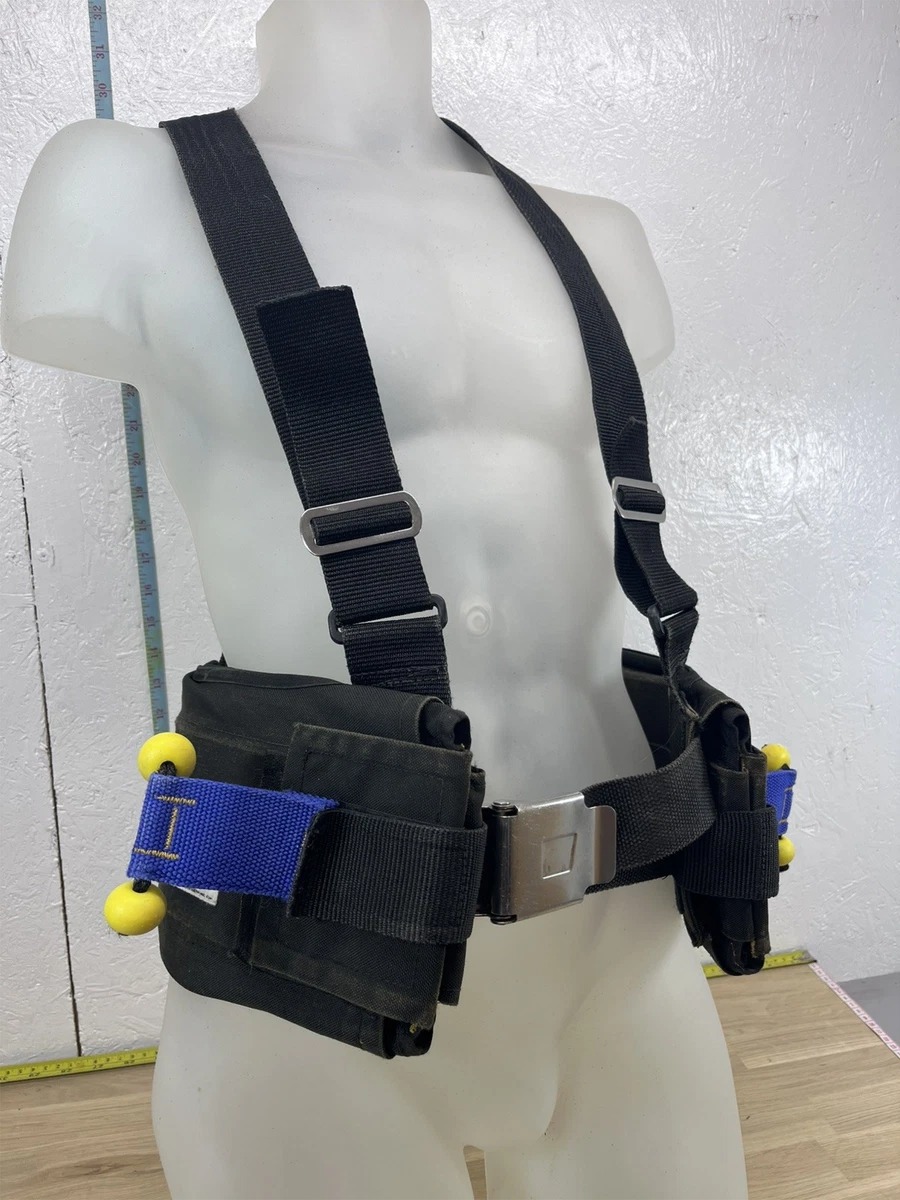
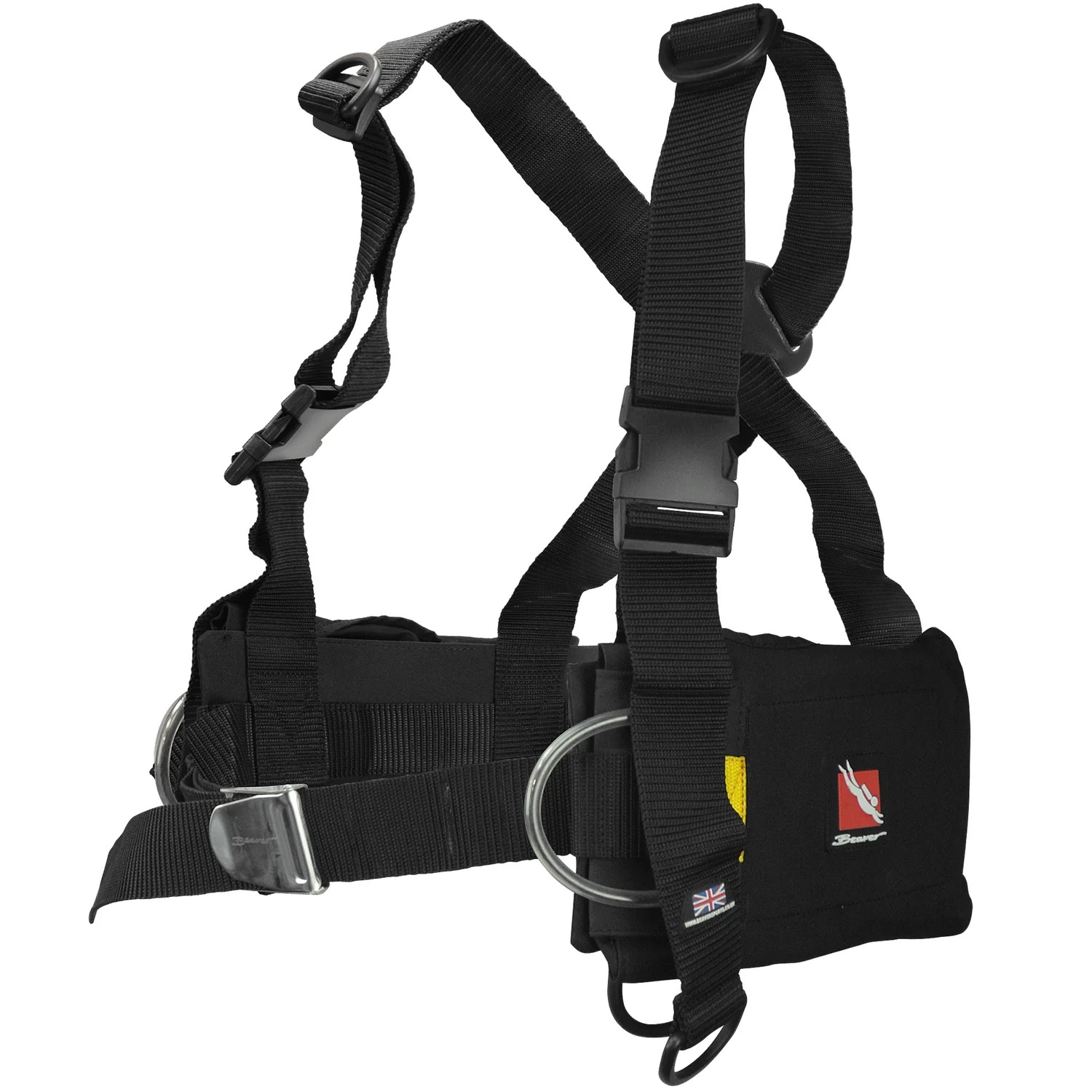
Quick-Release Cam Buckle: The absolute most critical safety feature is a heavy-duty, quick-release mechanism (typically a stainless steel or robust plastic cam buckle) that allows you or your buddy to ditch the entire belt instantly with a single pull in an emergency.
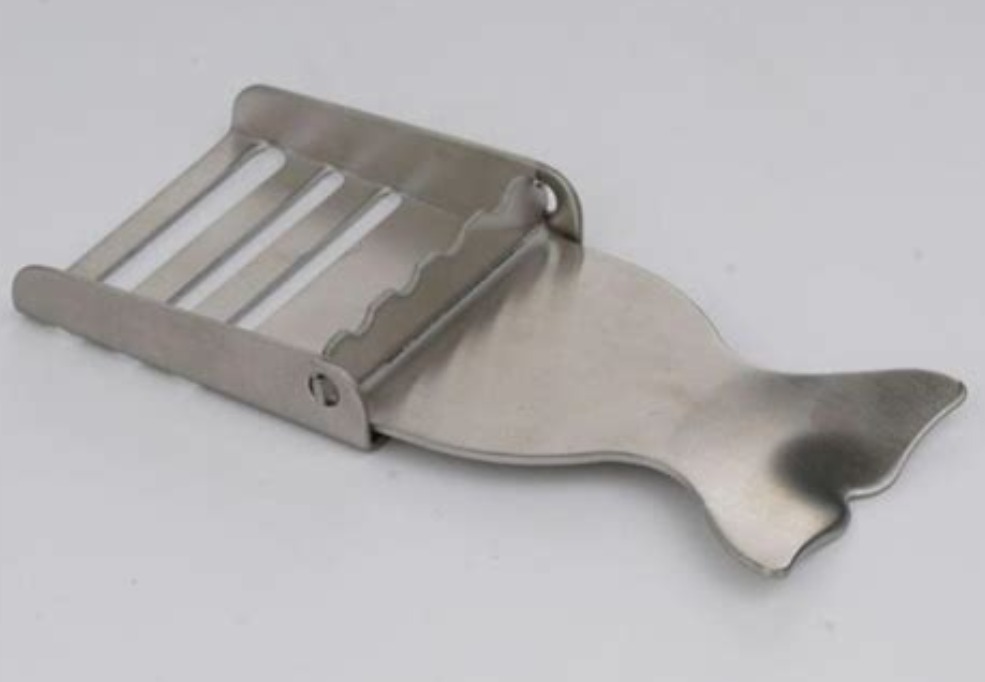
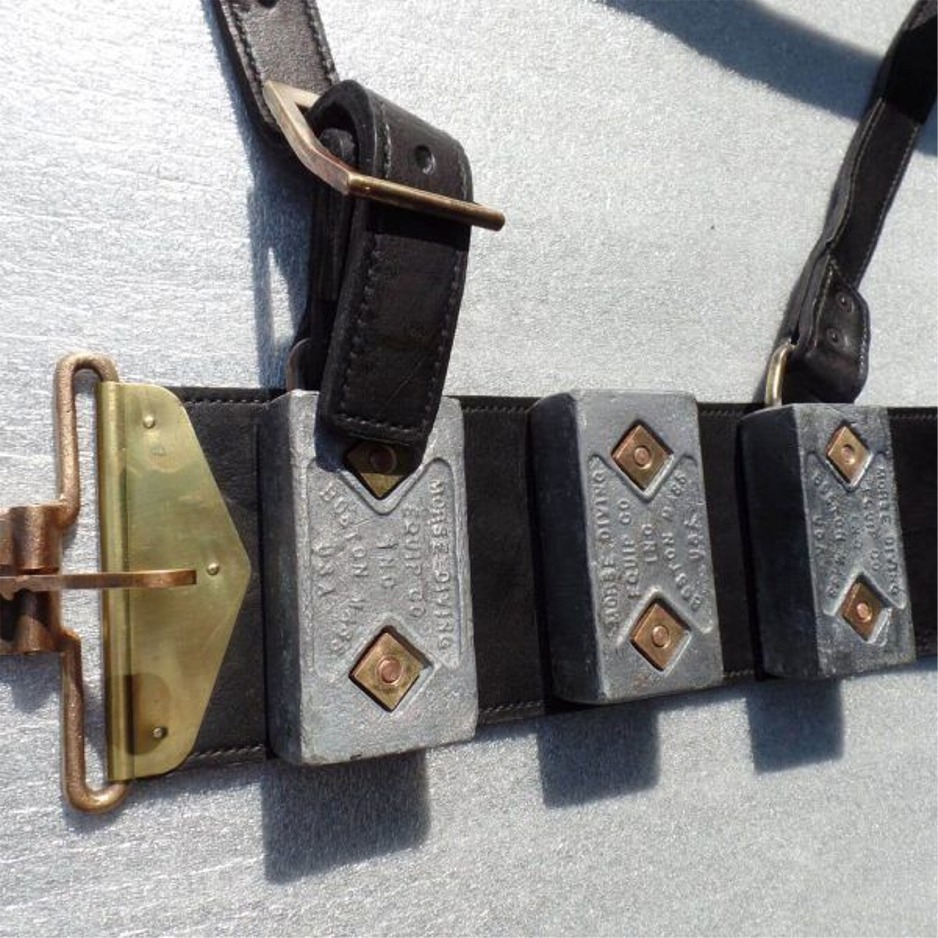
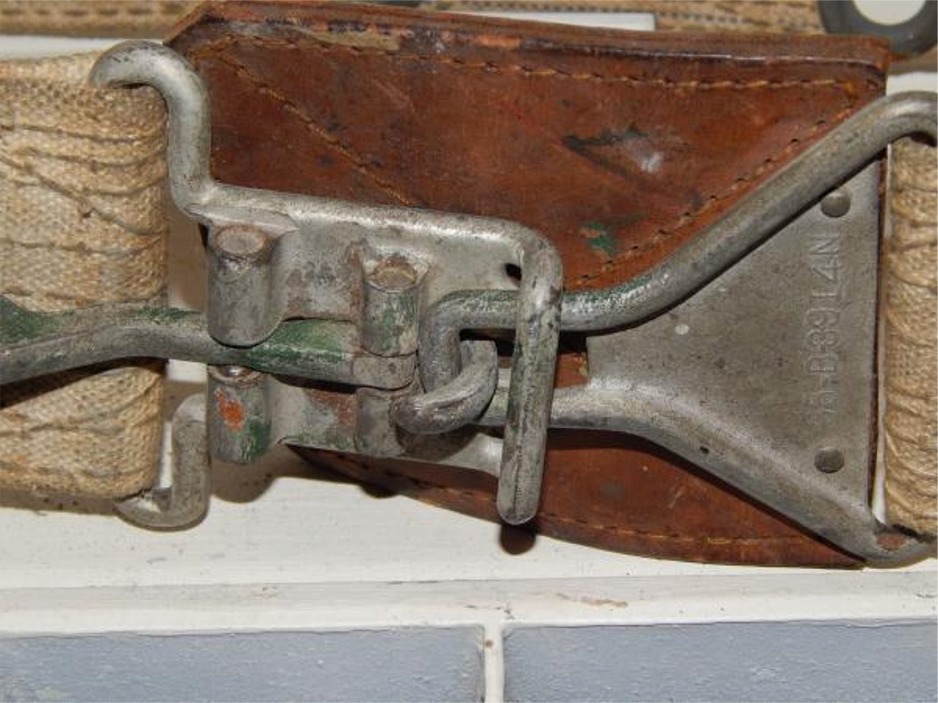
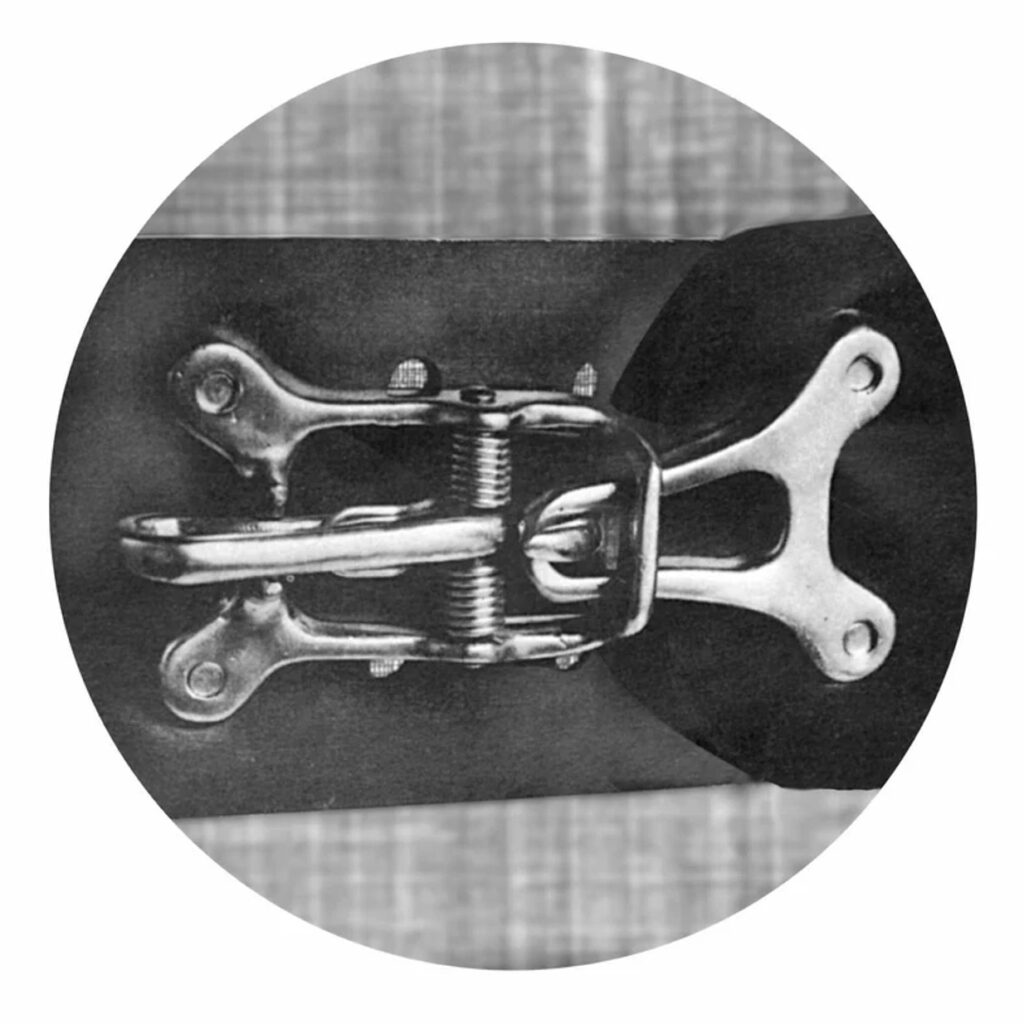
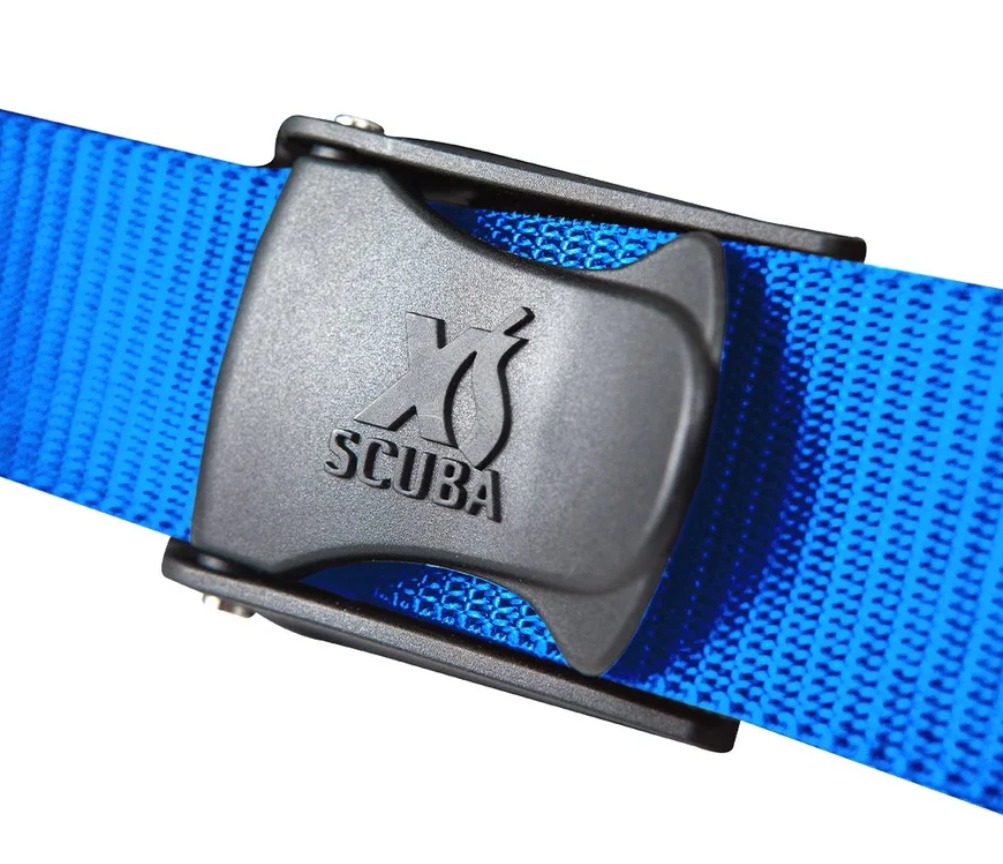
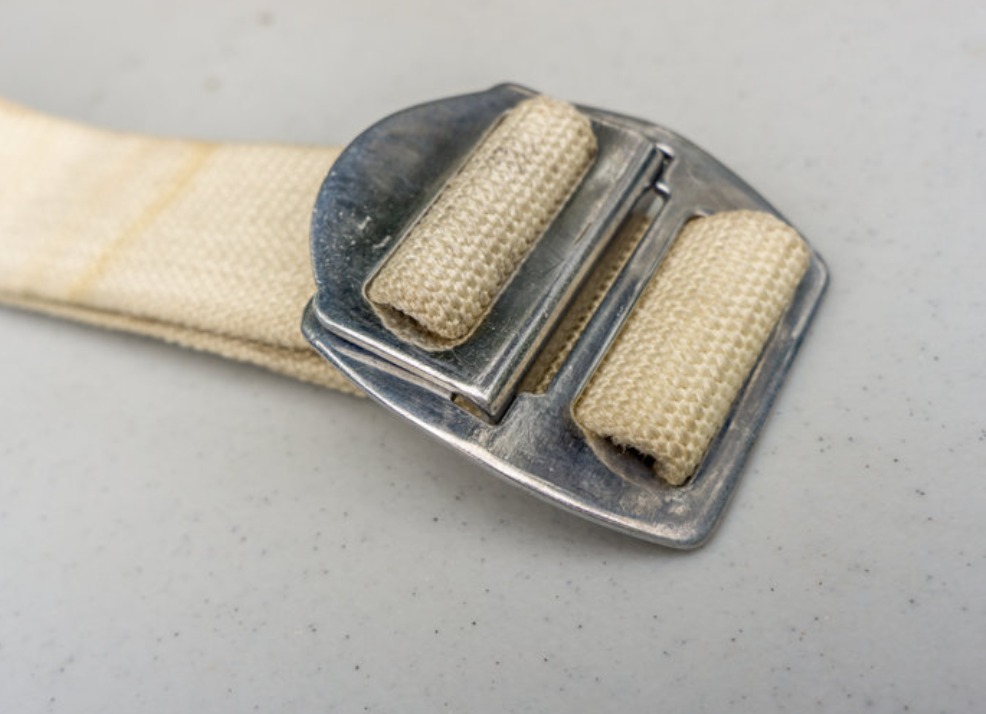
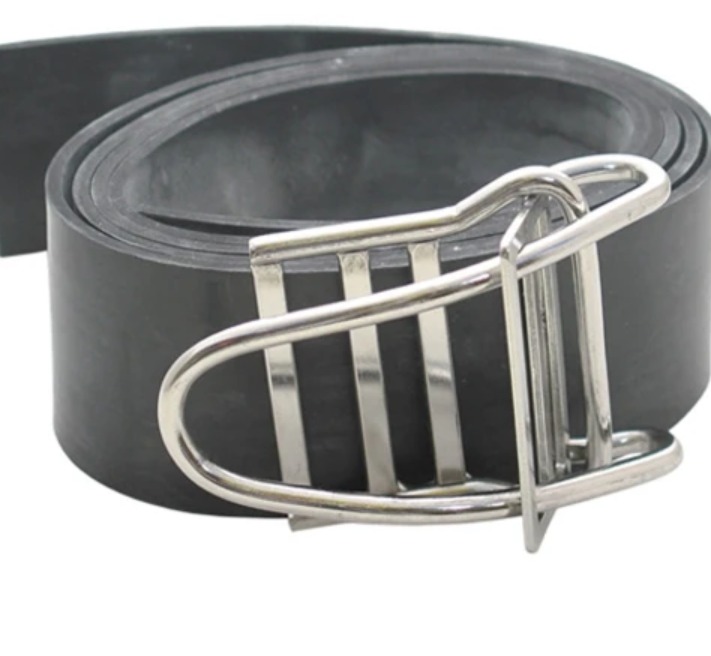
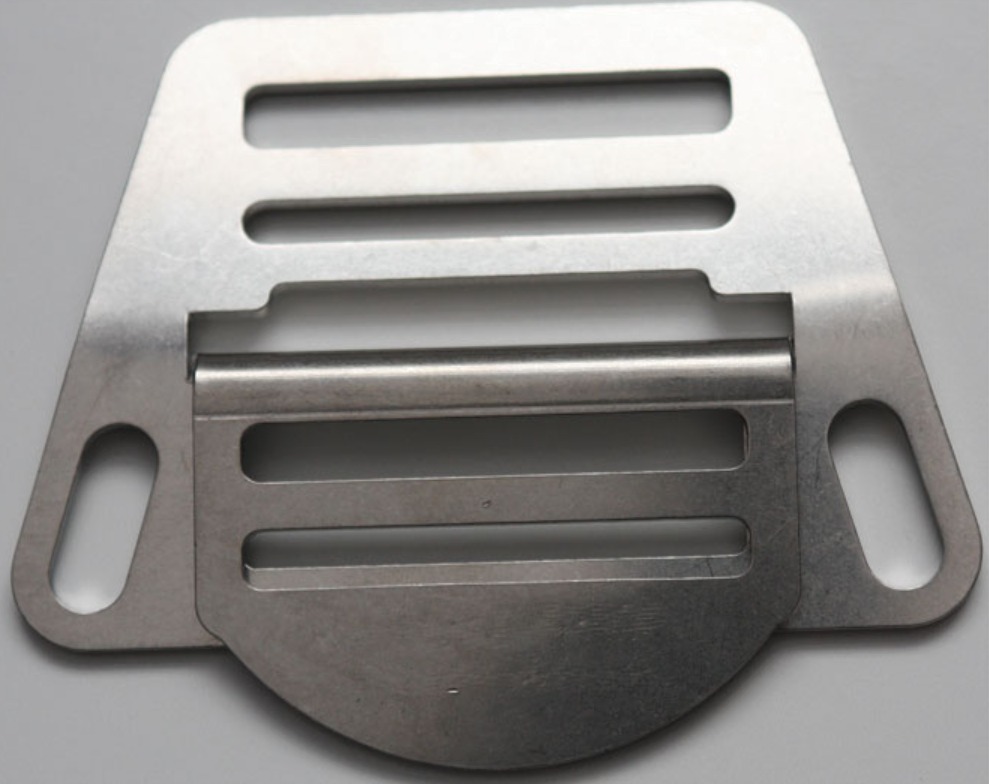
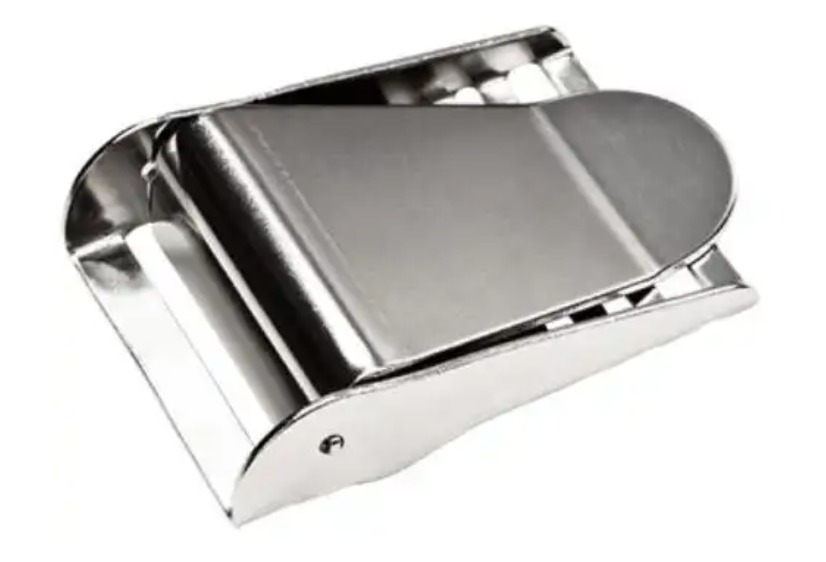
Right-Hand or left hand Release Configuration: Standardized industry design ensures the belt is threaded so that pulling with the right hand always releases it, allowing any dive buddy to act predictably in high-stress situations. However, many models can also be reversed so that the release can be operated with the left hand as well!
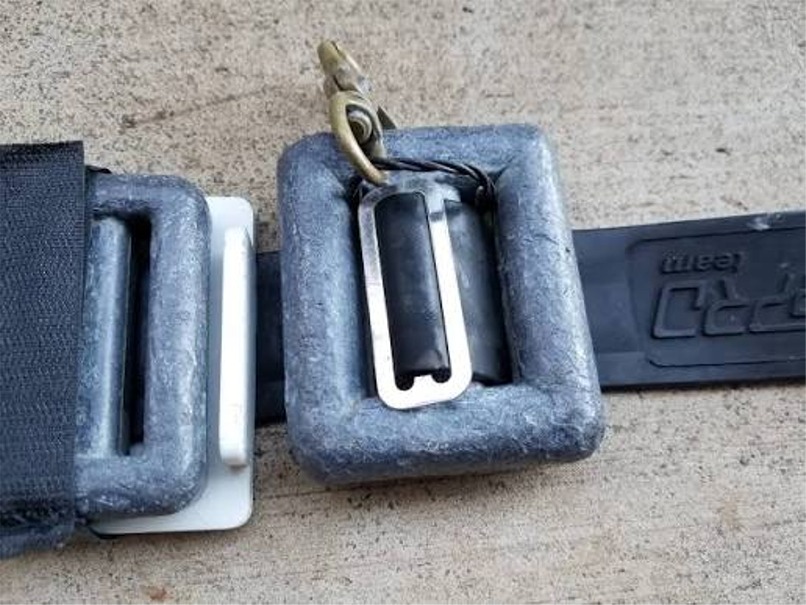
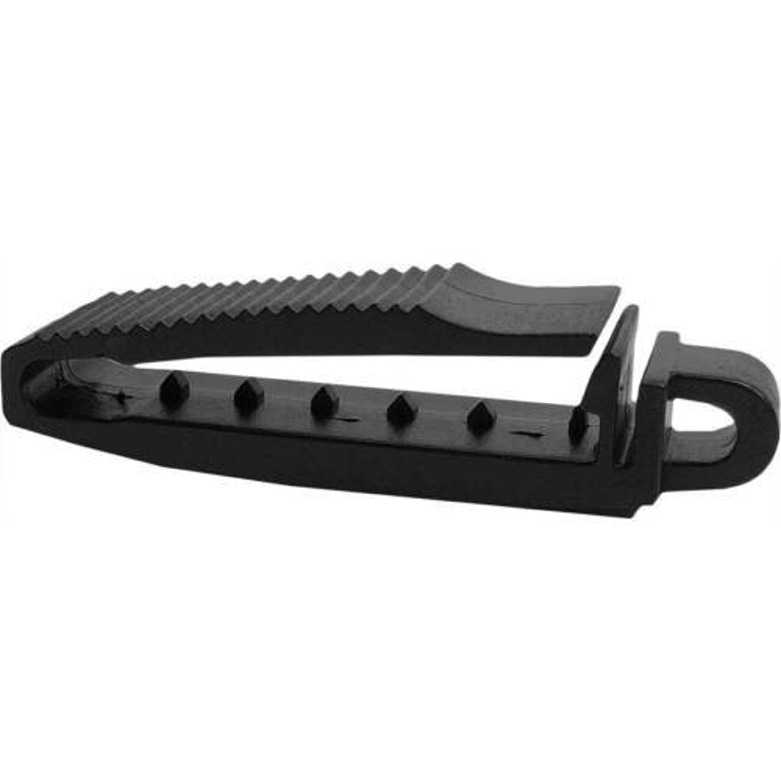
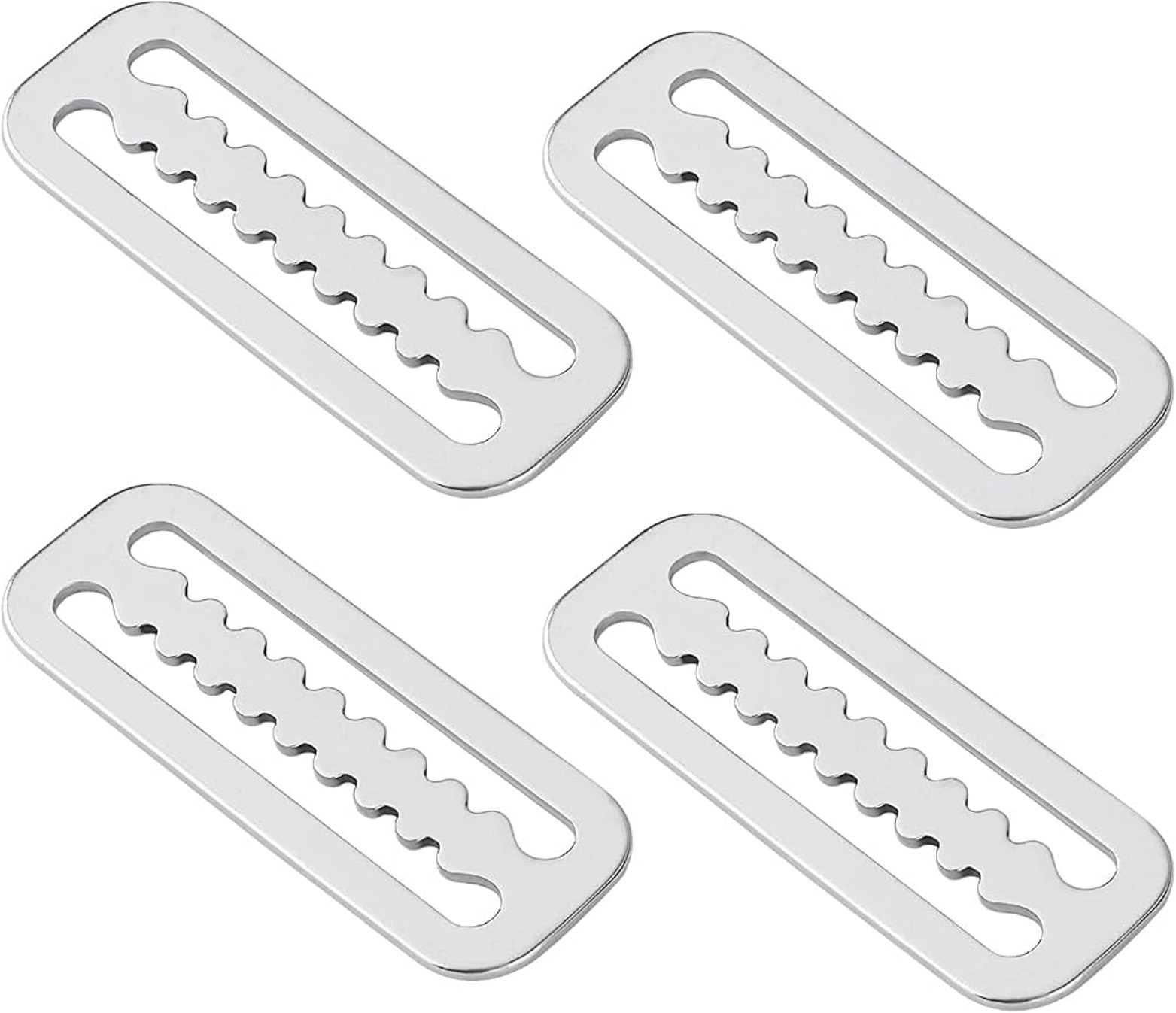
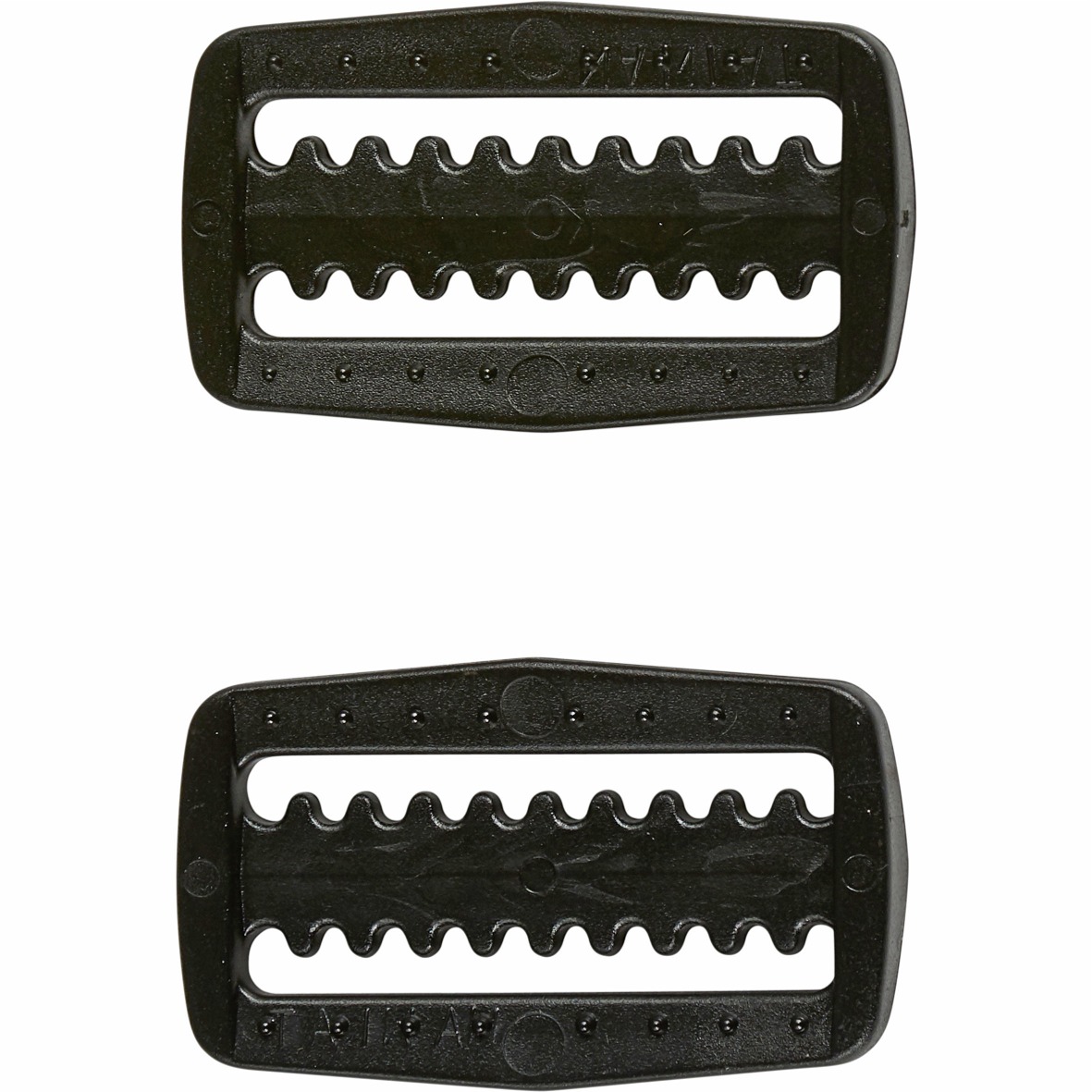
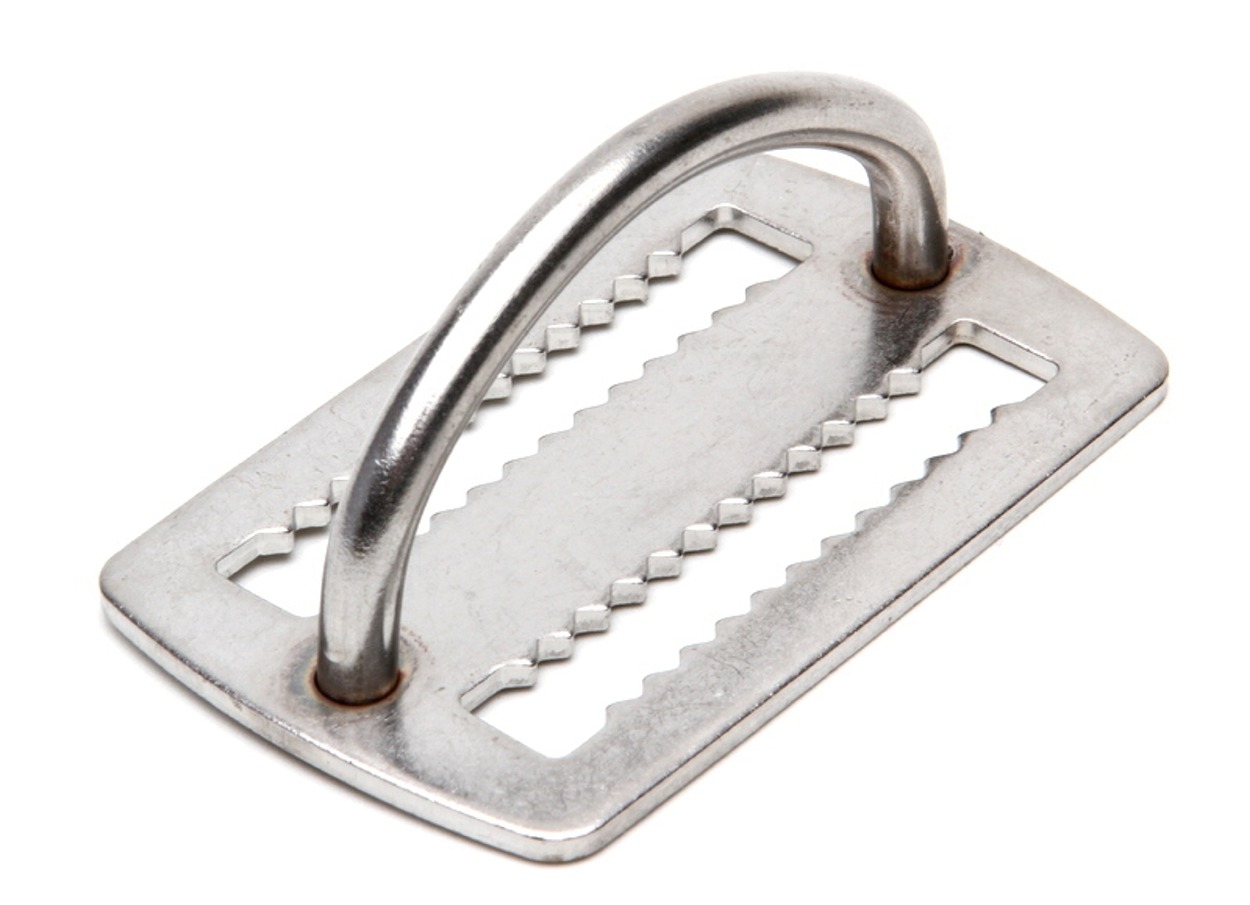
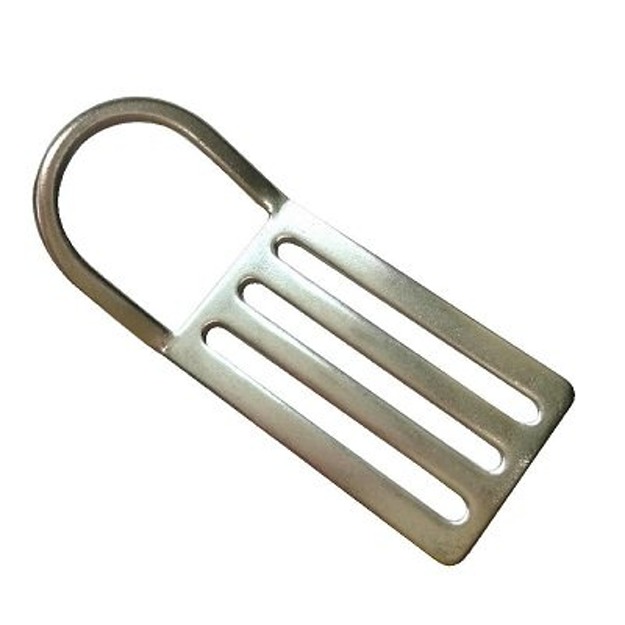
Weight Keepers / Retainers: Small metal or plastic slides clamped onto the belt to stop solid lead blocks from sliding around, preventing dangerous balance shifts or weights slipping off the end onto your feet.
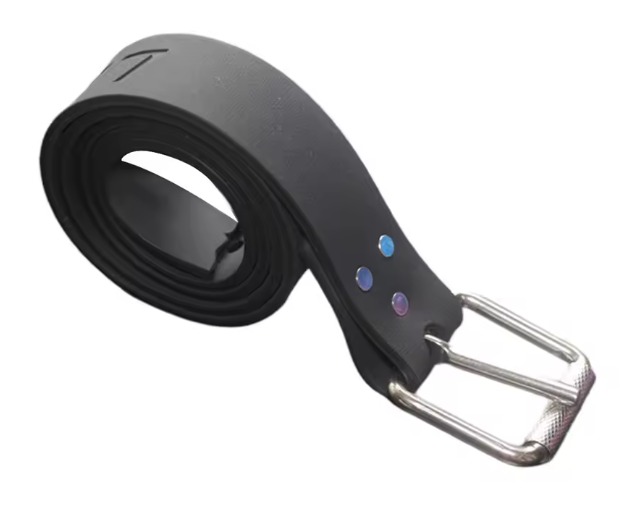
Depth-Compensating Material (Flexible Rubber/Silicon): Specialized rubber belts stretch and contract as water pressure compresses a diver’s wetsuit, preventing the belt from loosening, rotating, or sliding down the legs at depth.
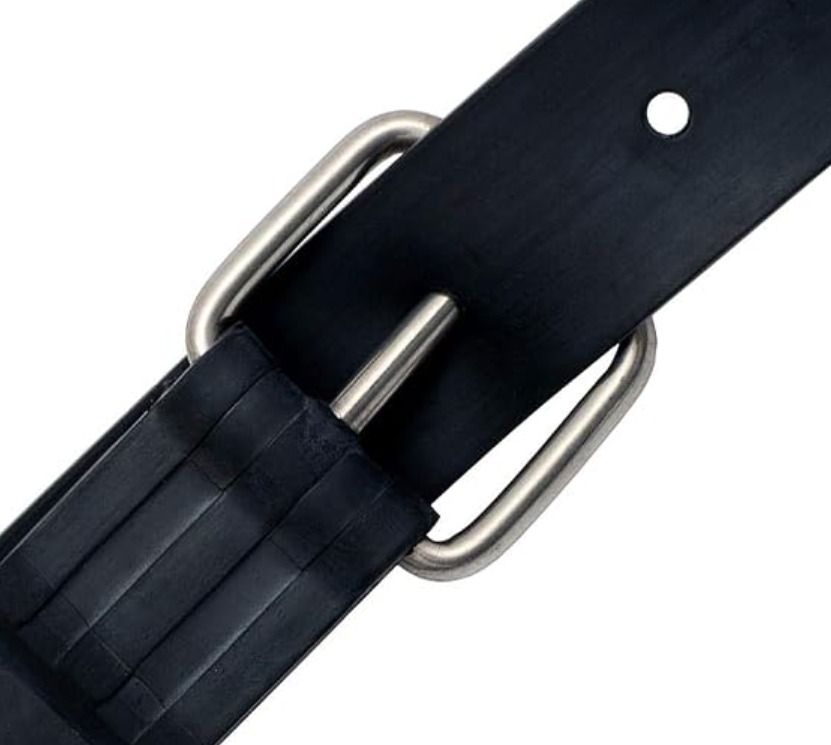
High-Tensile Nylon or Heavy-Duty Webbing: Traditional non-stretch belts utilize thick, marine-grade nylon woven tightly to resist tearing, UV damage, salt corrosion, and fraying under heavy loads.
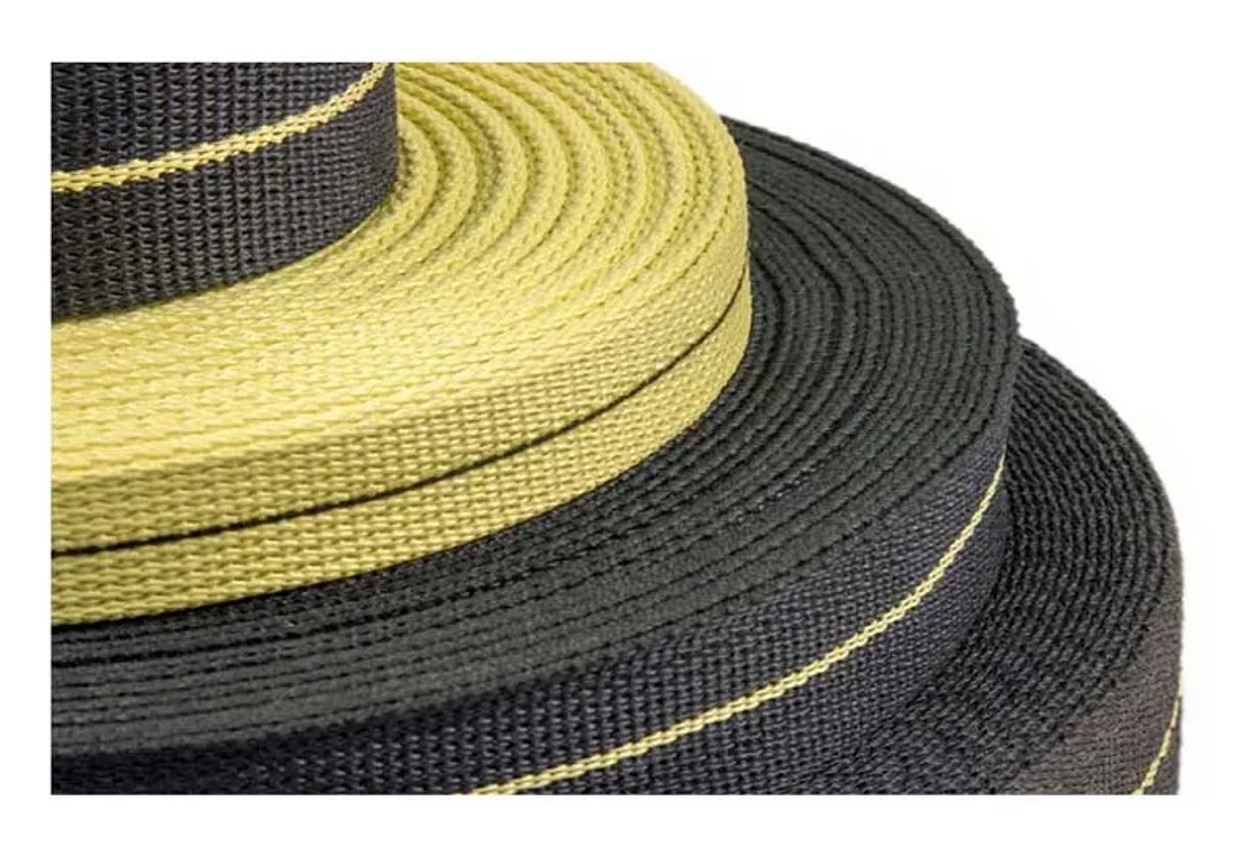
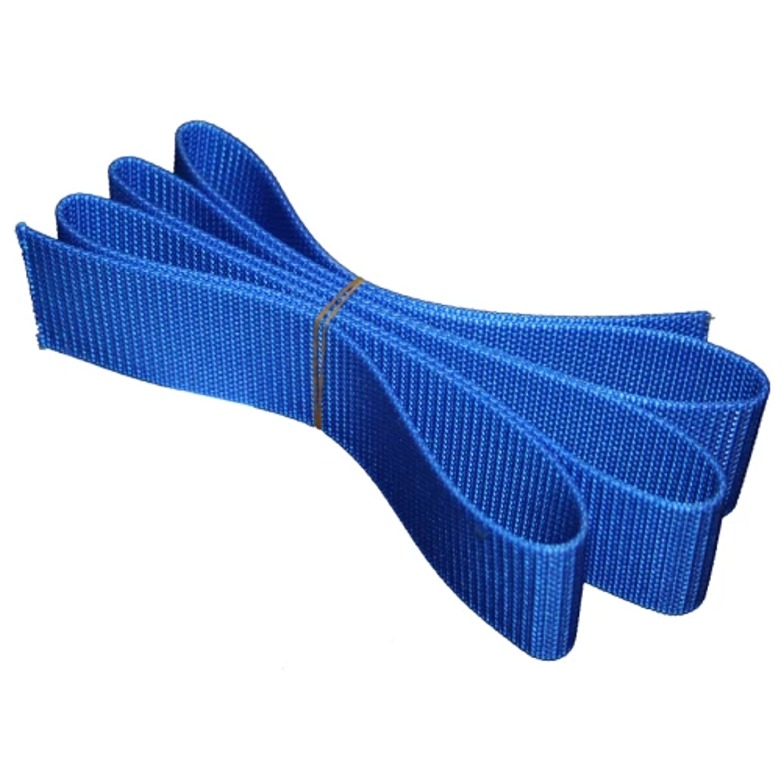

Accessible “Clear Tail” Length: A properly configured safety belt keeps a short tail extending past the buckle, folded or tucked without obstruction, so it remains easily graspable for an emergency ditch.

Secure Pocket Closures: For pocket-style belts, heavy-duty Velcro or rugged zippers keep loose block weights or soft lead-shot pouches tightly sealed inside so they cannot accidentally fall out mid-dive.

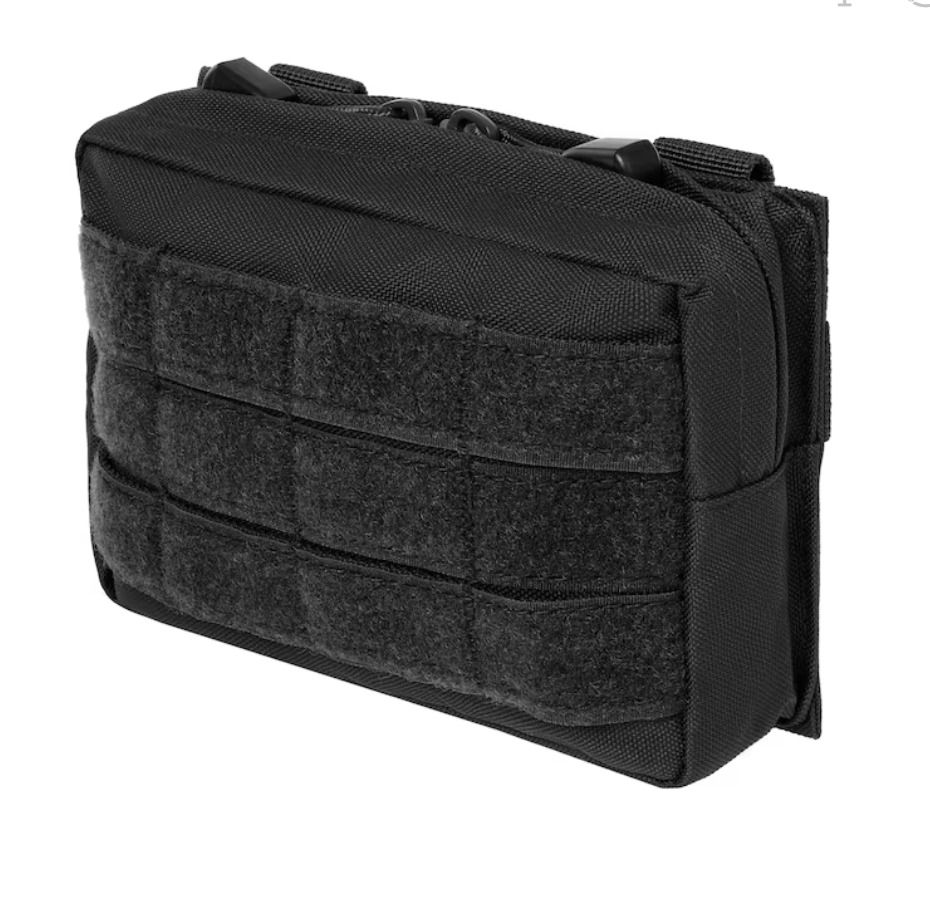
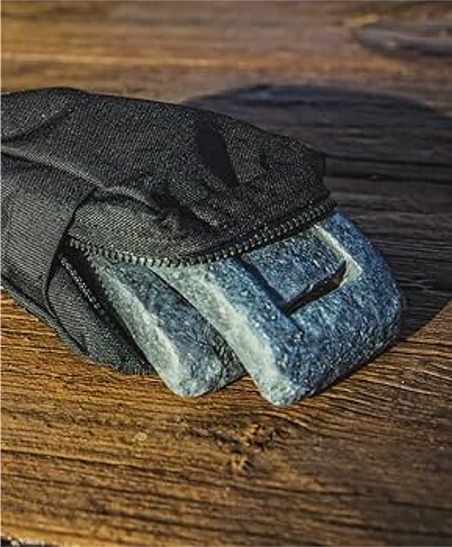
Integrated Non-Slip Backing: Many modern fabric belts feature textured inner linings or friction pads to grip the dive suit and eliminate rotation.

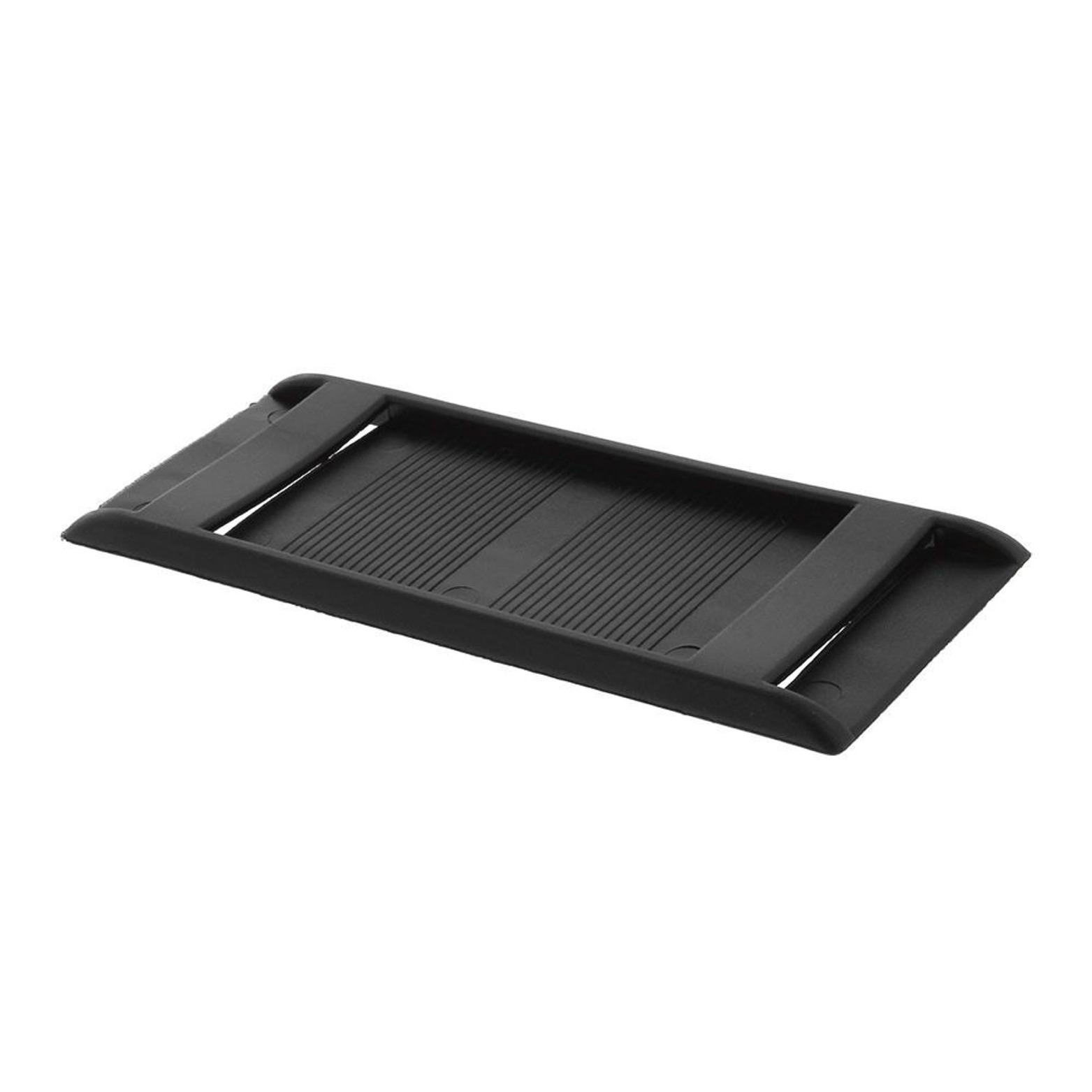
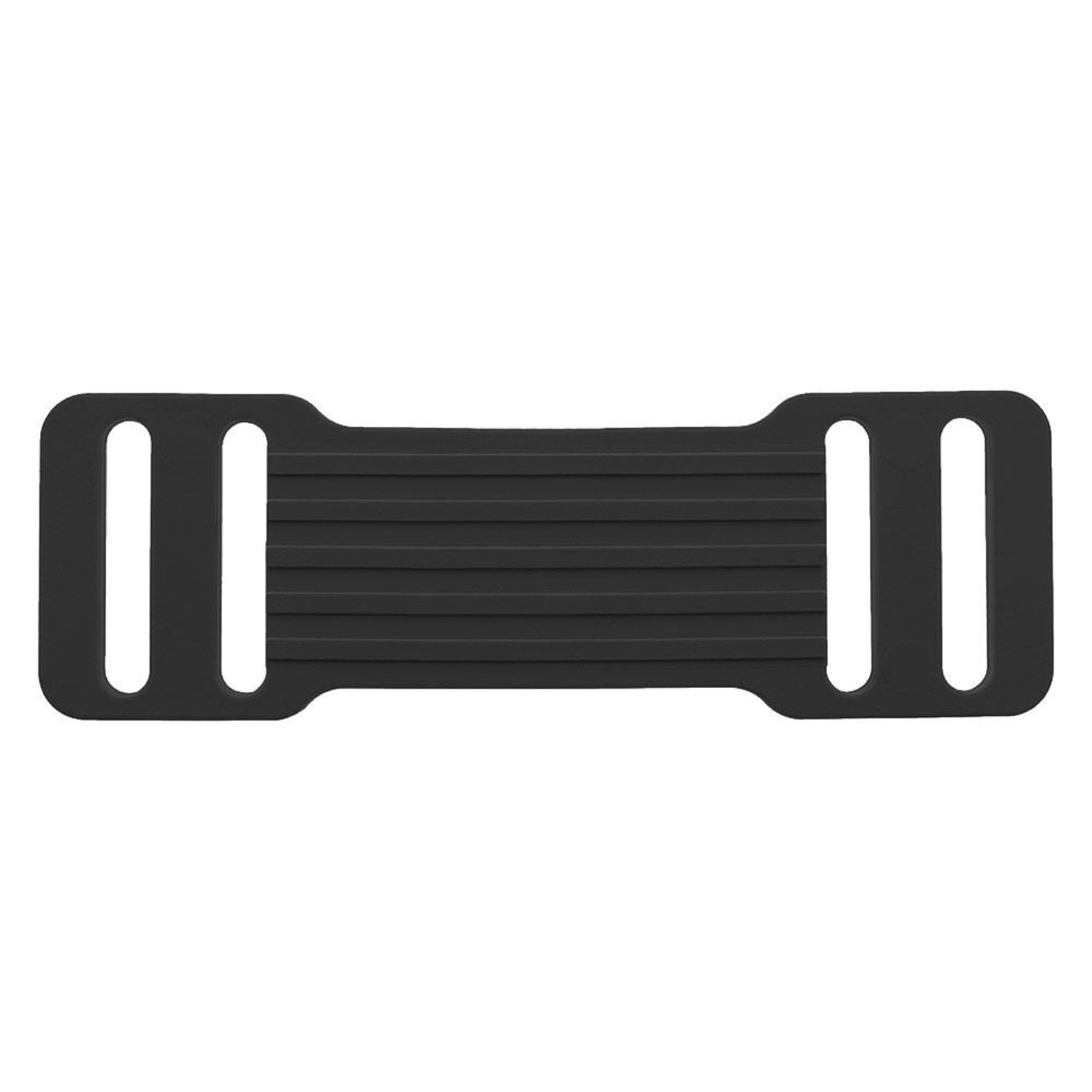
Color-Coded or High-Visibility Tabs: High-visibility markers on the buckle or release strap help a dive buddy instantly locate the ditch mechanism in low-visibility water or low-light conditions.


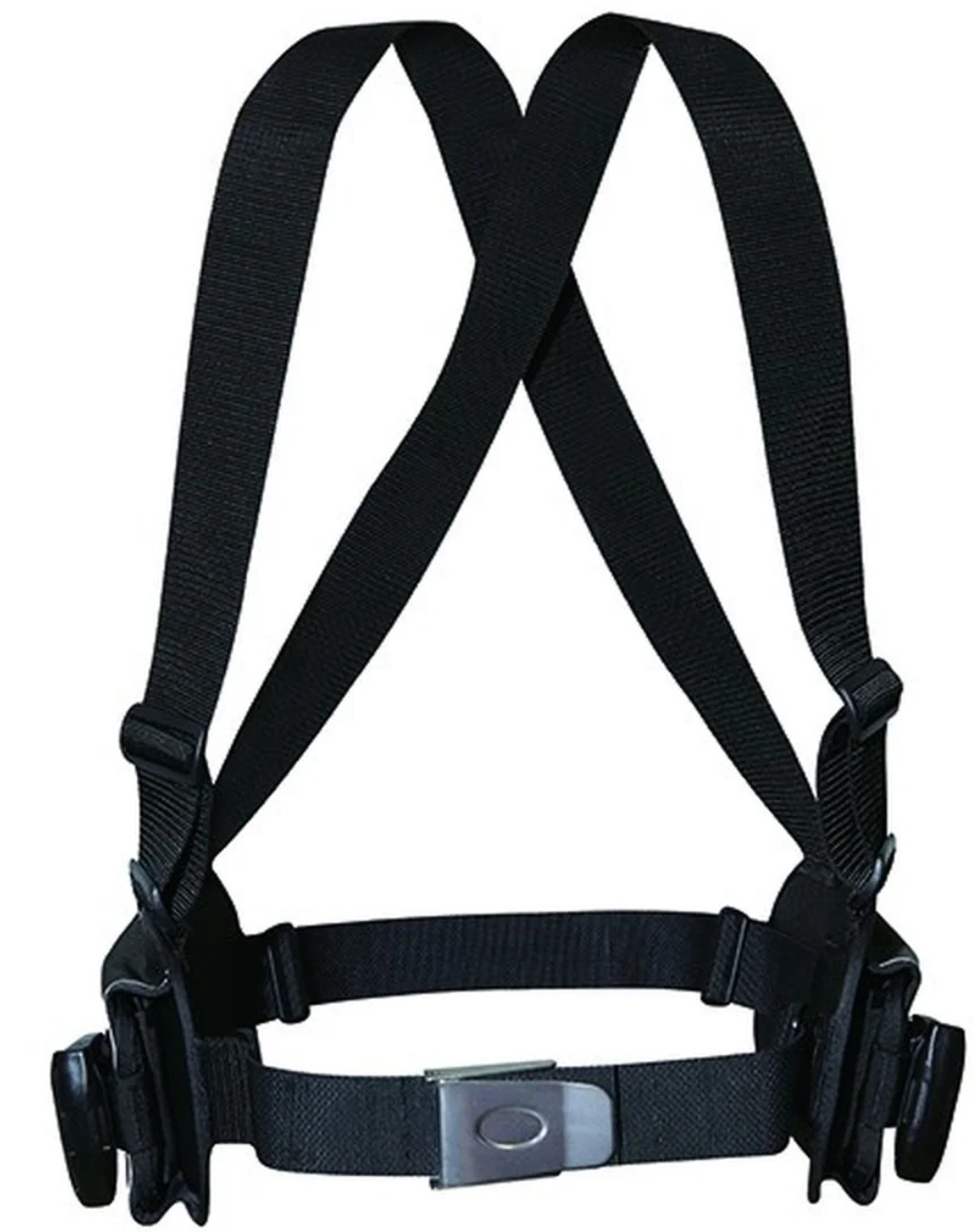
Harness / Suspenders Compatibility: Provision for attaching an optional crotch strap or shoulder harness prevents heavy loads from shifting or sliding off divers who lack pronounced hips.

Therebreathersite was founded by Jan Willem Bech in 1999. After a diving career of many years, he decided to start technical diving in 1999. He immediately noticed that at that time there was almost no website that contained the history of closed breathing systems. The start for the website led to a huge collection that offered about 1,300 pages of information until 2019. In 2019, a fresh start was made with the website now freely available online for everyone. Therebreathersite is a source of information for divers, researchers, technicians and students. I hope you enjoy browsing the content!