


The very beginning
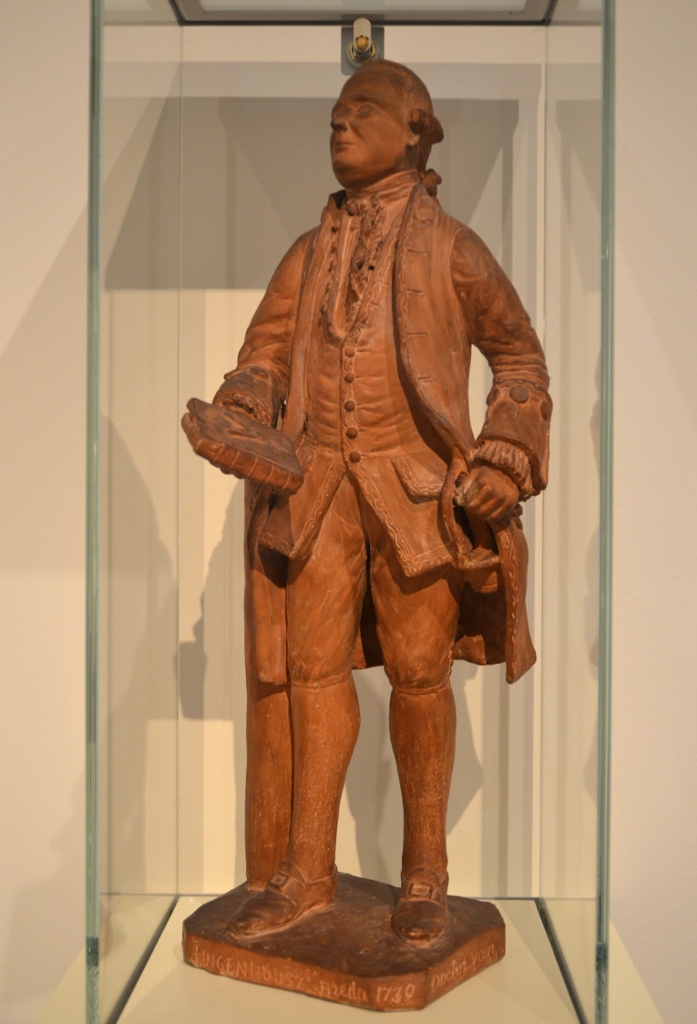
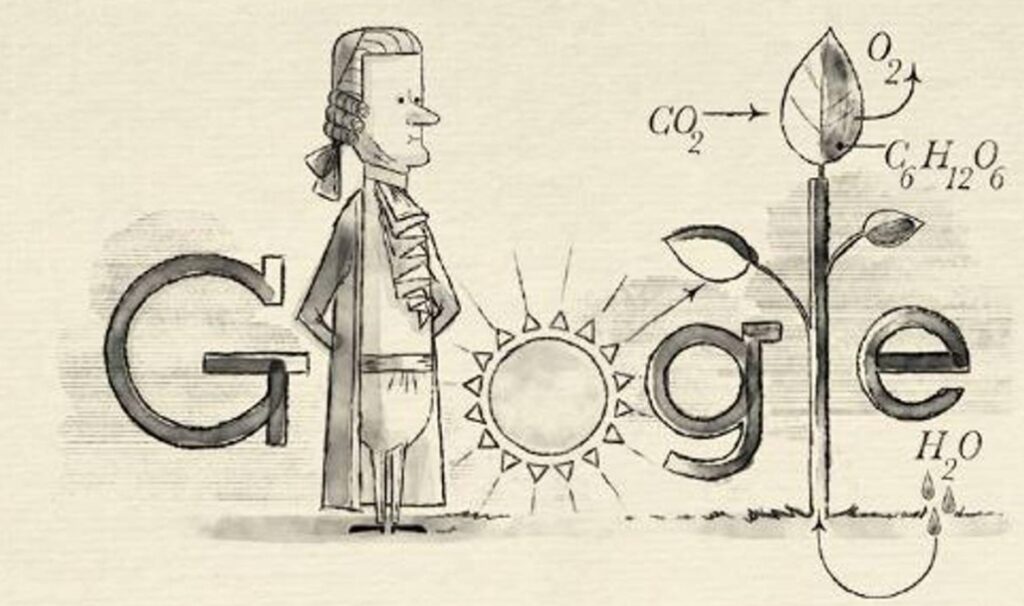
It is surprising how few people know who discovered photosynthesis, considering that without it, we wouldn’t have the oxygen we need to survive. In 1779, a Dutch doctor named Jan IngenHousz changed everything. Through a series of clever experiments in London, he proved that plants need sunlight to create the “good air” that keeps us alive.
IngenHousz was far more than just a scientist; he was a brilliant traveler of the Enlightenment who spoke many languages. Beyond his work with plants, he was a pioneer in smallpox vaccines and served as the personal doctor to the Empress of Austria. Whether he was experimenting with electricity, studying the early seeds of ecology, or debating famous thinkers like Benjamin Franklin, IngenHousz was a true adventurer at the heart of the scientific world.
The Scientific Legacy of Ingenhousz and Fontana: Foundations for Closed Breathing Systems.
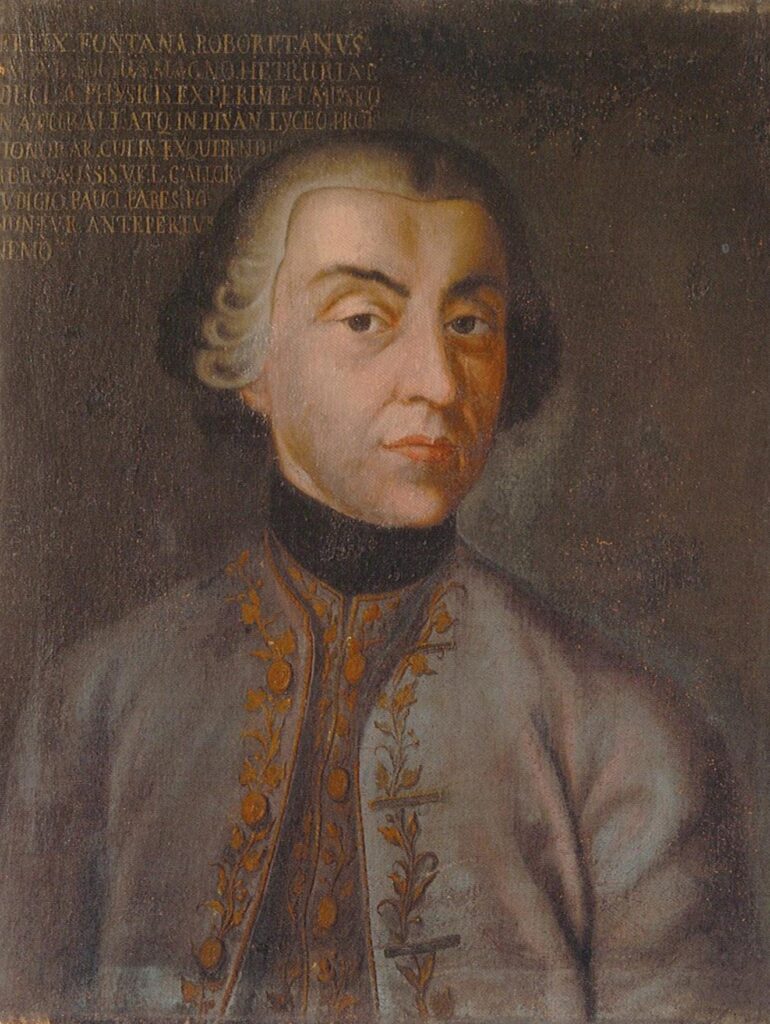
The eighteenth century marked a crucial turning point in the natural sciences, with the unravelling of the composition of air laying the foundation for modern physiology and technology. Within this context, the Dutch physician Jan Ingenhousz and the Italian abbot Felice Fontana take a prominent place. Although their field of work varied from botany to toxicology, they found each other in the shared fascination for the properties of gases. The interaction between their discoveries forms the theoretical backbone for today’s diving sport, in particular for the functioning of closed breathing systems, better known as rebreathers.
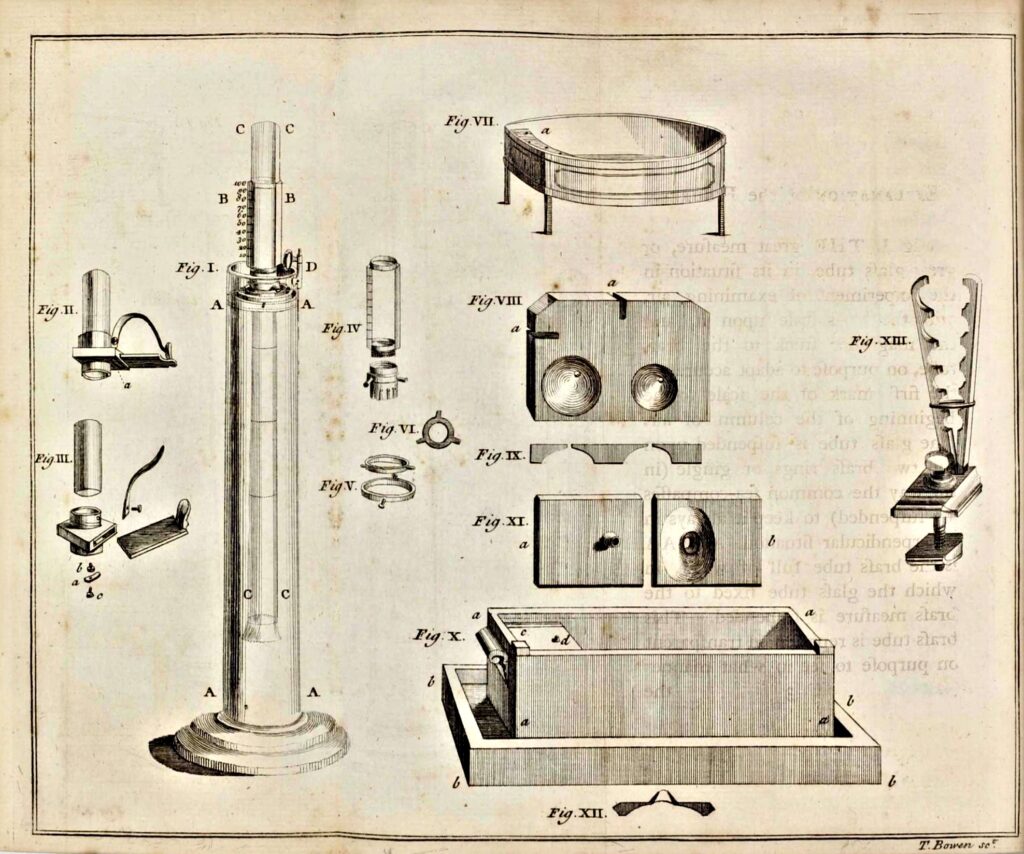
Jan Ingenhousz gained worldwide fame through his discovery of photosynthesis in 1779. He demonstrated that plants in sunlight produce oxygen and absorb carbon dioxide. This process is in fact the natural precursor to the atmospheric control that takes place in a closed breathing system. At the same time, Felice Fontana was engaged in the quantitative analysis of gases. Fontana perfected the eudiometer, an instrument with which the purity of air could be measured by the reaction of nitrogen oxide with oxygen. Where Ingenhousz identified the source of the ‘vital air’, Fontana provided the measurement method to determine whether this air was suitable for breathing.
The relationship between both scientists was based on active correspondence and the sharing of experimental techniques. Fontana’s work on the eudiometer enabled researchers such as Ingenhousz to determine more accurately how gases changed through breathing or combustion. In their time, they already experimented with breathing different gas mixtures to study the effects on the human body. These experiments laid the physiological basis for understanding oxygen poisoning and the need for a proper balance between gases, concepts that are of vital importance to the modern diver.
The direct mirroring to the diving sport becomes visible with the rebreather technique. A closed breathing system works according to a circular principle in which the exhaled air is reused. To make this possible, two fundamental processes must be mastered: the removal of carbon dioxide and the replenishment of consumed oxygen. The discovery of Ingenhousz that a closed system (in his case a glass jar with a plant) is capable of refreshing the atmosphere, is the biological equivalent of the chemical CO2 absorber in a diving device. Fontana’s contribution to gas analysis has been translated into modern oxygen sensors that continuously monitor the partial pressure of oxygen in rebreathers.
Without the fundamental insights of Ingenhousz into gas exchange and the precision instruments of Fontana, the development of autonomous breathing apparatus would have been impossible. They were the first to understand that air was not a single element, but a mixture that could be manipulated and purified to support life in a hostile environment. The current diver who explores the depth with a closed system relies on technology that is directly derived from the eighteenth-century experiments in the laboratories of these two pioneers. Their legacy is therefore not just a historical fact, but a daily reality in the world of underwater physiology.

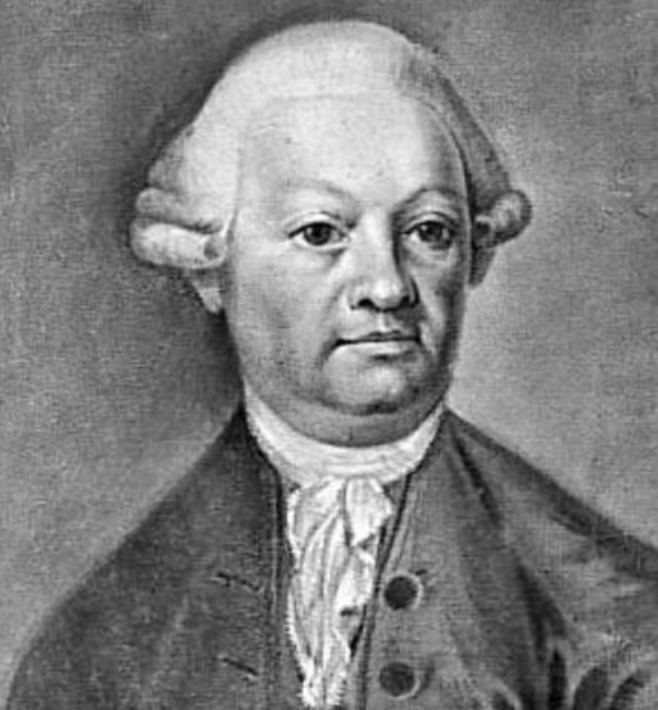
Sources: https://erfgoed.breda.nl/erfgoed/archief/jan-ingenhousz-1730-1799
Books: Felice Fontana Life and Works, author: Peter K. Knoeffel
Ingenhousz: Experiments Upon Vegetables, online: LINK
0 responses to “Jan Ingenhousz & Felice Fontana”

Therebreathersite was founded by Jan Willem Bech in 1999. After a diving career of many years, he decided to start technical diving in 1999. He immediately noticed that at that time there was almost no website that contained the history of closed breathing systems. The start for the website led to a huge collection that offered about 1,300 pages of information until 2019. In 2019, a fresh start was made with the website now freely available online for everyone. Therebreathersite is a source of information for divers, researchers, technicians and students. I hope you enjoy browsing the content!
Leave a Reply