
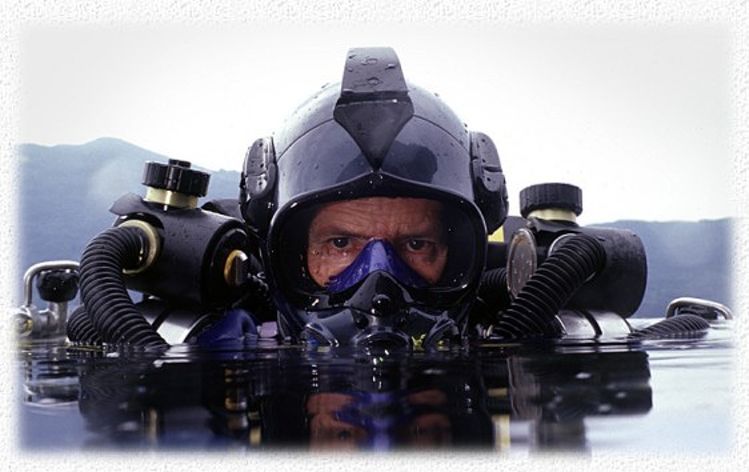
The BOV, a lifesaver and luxury safety device

Information about Full Face Masks FFM for rebreather divers

The rebreather mouthpiece plays a crucial role in the gas routing and safety of the diver.

This post is about the routing of breathing hoses. This technique has also created a special rebreather for underwater use, which is specifically used for narrow passages underwater.

Liquid oxygen has been used in breathing systems since the 1920s. The principle is relatively simple. Liquid oxygen has a temperature of approximately -185 degrees Celsius (-301 F) and will evaporate at room temperature.

The most characteristic external feature is that a rebreather user uses a breathing hose with an inlet and an outlet. With the exception of oxygen rebreathers, almost all modern rebreathers have separate counter lungs and separate hoses for supply of oxygen-rich gas and removal of Co2-rich gas.
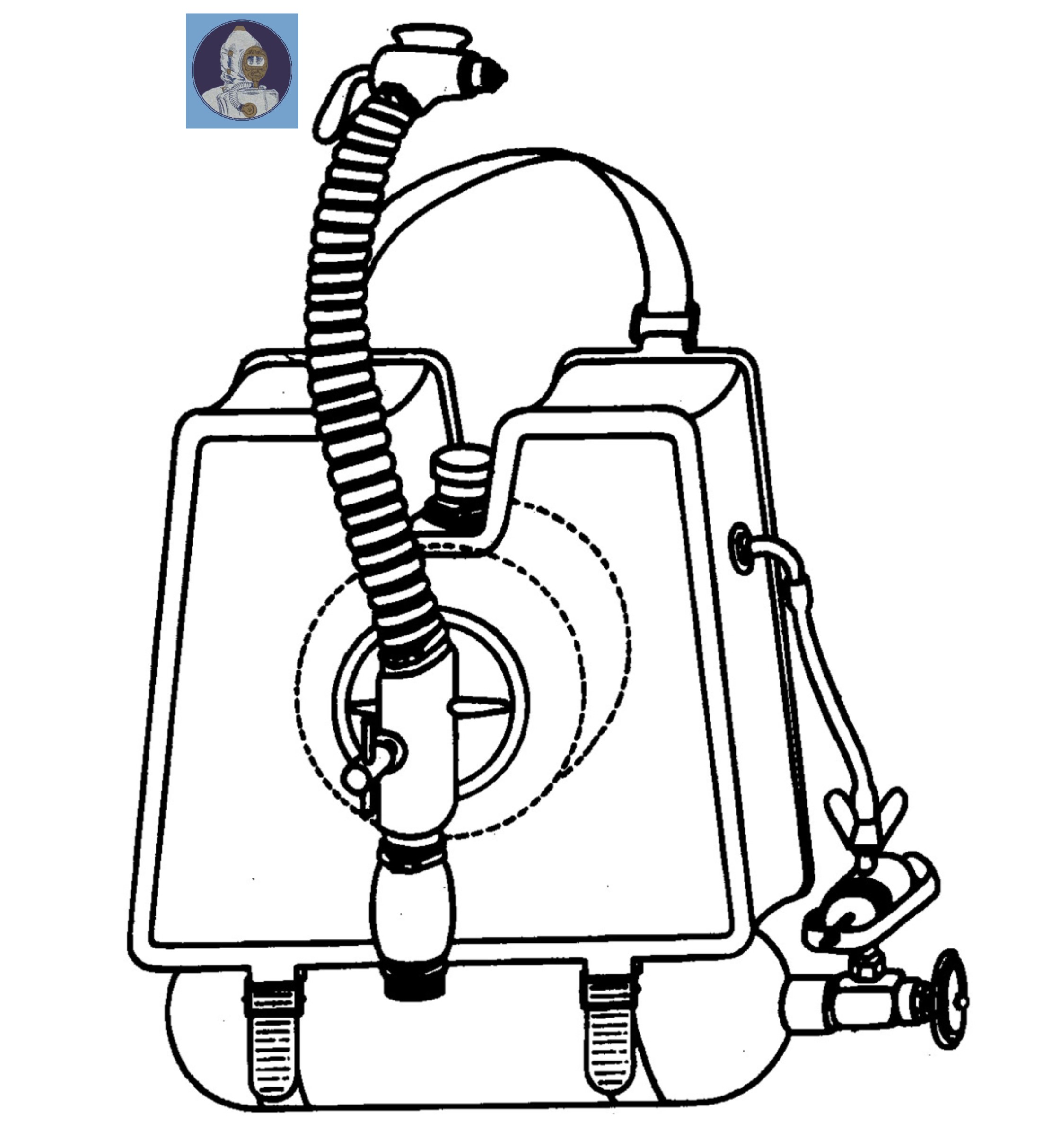
Single hose systems are always pendulum systems. The original oxygen rebreather often had a single hose because this was constructively attractive.

Split counterlungs are used when there are two counterlungs, one for the inhaled gas and one for the exhaled gas.

Most oxygen rebreathers use a simple single counter lung. Materials used in the early days are finely-woven fabrics, impregnated with rubber or latex.

For applications requiring entering a room with high temperatures or breathing for long periods from a closed system, the temperature in the breathing circuit can become higher. For this reason, since 1930 some breathing apparatus has been equipped with an integrated cooler.