

We distinguish different types of counterlungs used with rebreathers. On land, the choice of whether the counter-lung is worn on the chest or the back will make little difference to the breathing resistance.
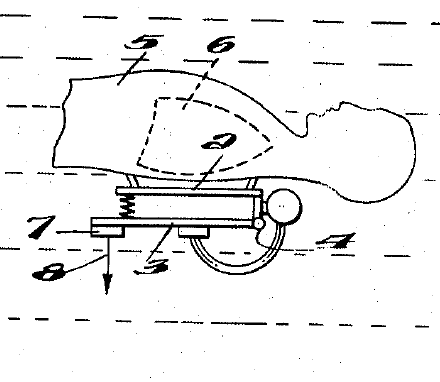
Counter lungs are in most cases made of flexible materials. In some special cases the designer chooses for a more rigid material.
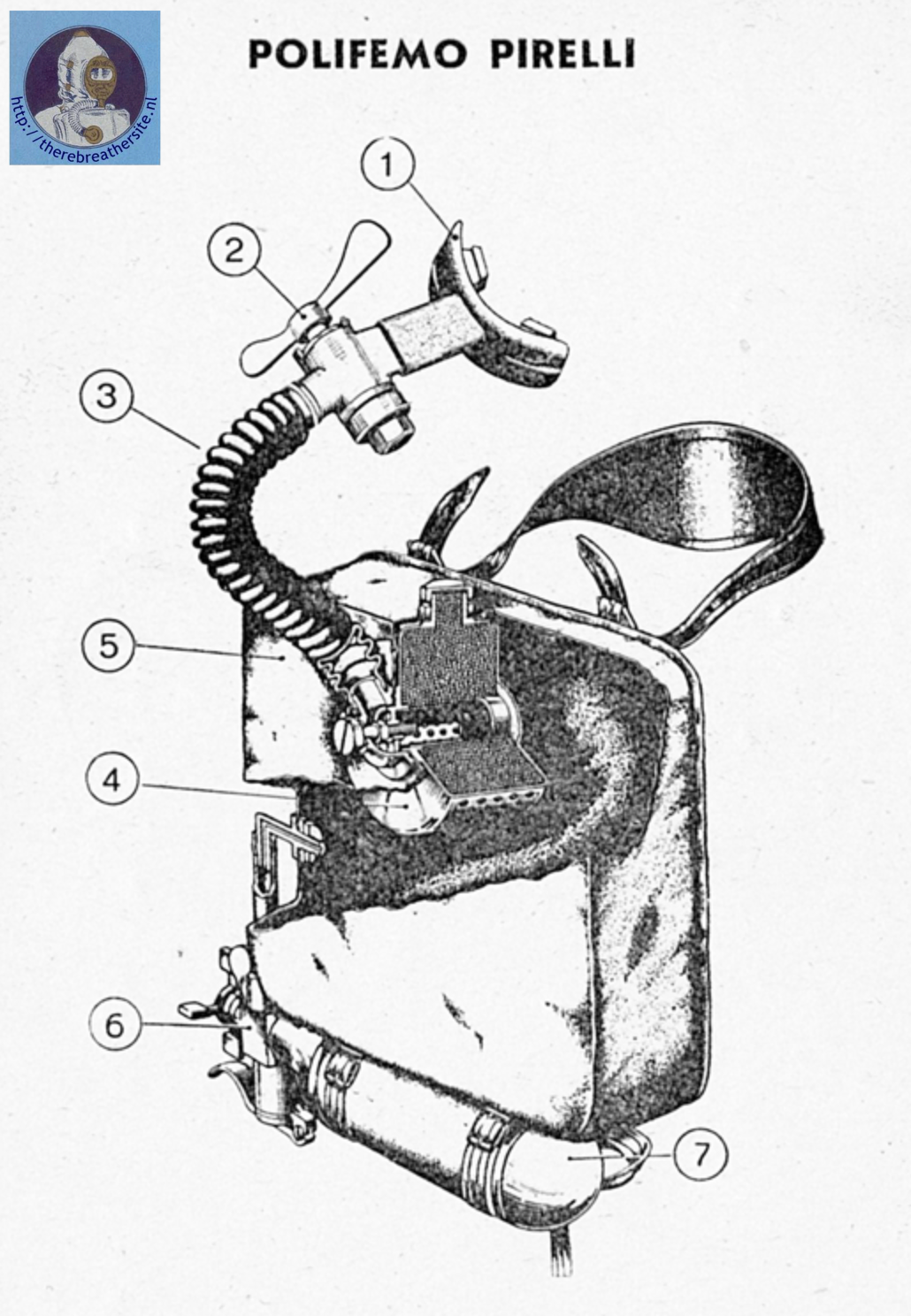
Oxygen rebreathers with build in scrubber placed in the couter lung.

This article on scrubbers describes only part of the current knowledge on carbon dioxide absorbing systems. These descriptions cover scrubbers for breathing systems in mining as well as systems for underwater use.

Oxygen rebreathers based on a chemical process are among the oldest types. The system uses chemicals that absorb CO2 and generate oxygen. As early as 1930, a whole series of devices under the name Naszogen was put on the market in Germany.
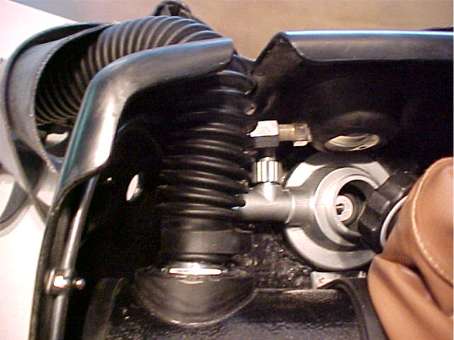
In 1920, the first rebreather was developed that operated with a then new mechanism. Until then, the supply of oxygen to the breathing circuit had been reserved for regulators that injected gas continuously, or by manually operated valves.
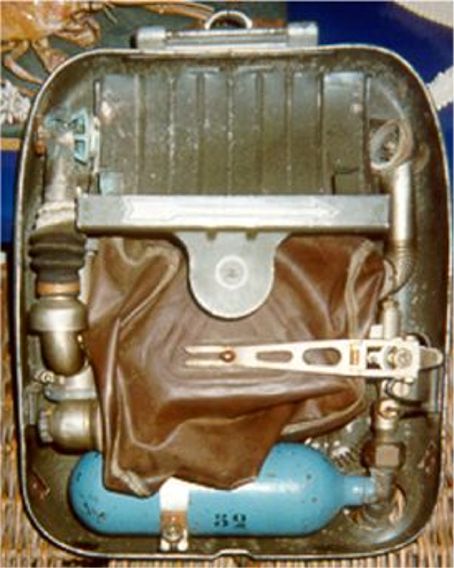
In 1920, the first rebreather was developed that operated with a then new mechanism. Until then, the supply of oxygen to the breathing circuit had been reserved for regulators that injected gas continuously, or by manually operated valves.

This part with the theory of oxygen rebreathers deals with the technical principle of a constant mass valve.

I made this page because there were many questions in newsgroups about gas flow through an orifice. Many people are now developing manually operated constant-dosis rebreathers.

The use of manual addition in oxygen rebreathers is the oldest form of adding oxygen to the loop.